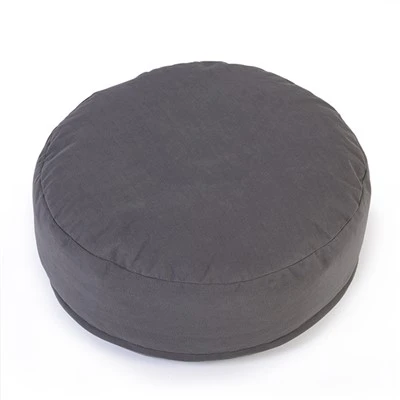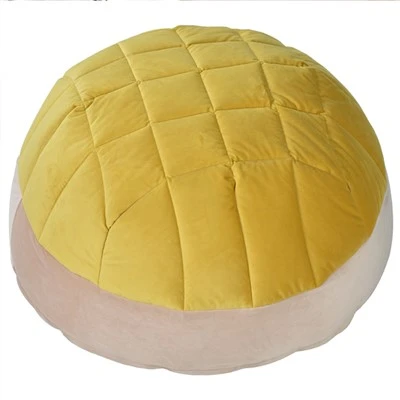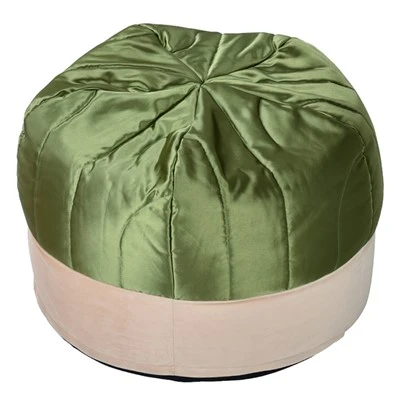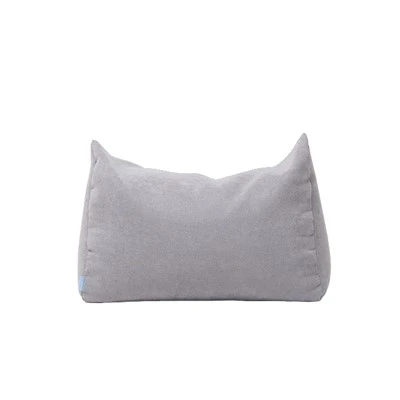


The most reliable way to choose a bean bag manufacturer in China is to verify five things: (1) factory ownership and production capacity, (2) certifications such as BSCI, (3) OEM/ODM customization depth - fabric, filler, size, logo, and packaging, (4) minimum order quantity (MOQ) flexibility, and (5) proven export experience with retailers, importers, and e-commerce sellers. A trusted China bean bag factory like Hangzhou Yuppie Deco Co., Ltd ticks all five boxes: founded in 2014, holding 15+ design patents, ranking among the top 3 bean bag manufacturers in China's domestic market, with an MOQ as low as 50 pieces, 7–10 day sampling, and roughly 30-day bulk lead times.
Why China Dominates the Global Bean Bag Supply Chain
China produces the vast majority of the world's bean bag chairs, and for good reason. The country combines mature textile manufacturing, an integrated foam and polystyrene bead supply chain, competitive labor costs, and highly developed export logistics. For global buyers - retailers, supermarket chains, importers, distributors, e-commerce sellers, interior designers, and private-label brands - this means shorter production cycles, lower landed costs, and far greater product variety than sourcing locally.
However, the sheer number of suppliers creates a new problem: how do you separate a genuine bean bag factory from a trading company posing as one? How do you evaluate quality before committing capital? And how do you find a partner who can grow with you from a 50-piece trial order to full container loads?
This guide answers all of those questions, drawing on more than a decade of first-hand manufacturing experience at a leading China bean bag factory.
Step 1: Verify the Supplier Is a Real Factory, Not a Middleman
The single most expensive mistake B2B buyers make is paying trading-company margins for factory pricing. A genuine bean bag manufacturer offers three advantages you cannot get from intermediaries:
20–40% better pricing because there is no middleman markup.
Direct control over quality - the sewing lines, filling equipment, and QC team are under one roof.
Faster sampling and revisions because feedback goes straight to the pattern makers.
How to verify factory ownership
Ask for business license records, factory photos or video walkthroughs of the actual cutting and sewing lines, and patent certificates. Design patents are a strong authenticity signal - they can only be filed by the company that actually develops the products.
Real-world example: Hangzhou Yuppie Deco Co., Ltd (brand name "YuppieLife") was founded in October 2014 and holds more than 15 national design patents for bean bag chairs and lazy sofas. The company publishes its patent numbers openly and operates its own production lines covering cutting, sewing, inspection, and bead filling. It also runs a Tmall flagship store that has served hundreds of thousands of domestic customers for over ten years - proof of retail-grade quality control that most export-only workshops cannot demonstrate.
Step 2: Check Certifications and Compliance
For European and North American buyers, compliance is not optional. Before signing anything, confirm that your bean bag supplier holds:
|
Certification / Standard |
Why It Matters |
|
BSCI |
Social compliance audit required by most EU retailers |
|
Material test reports |
Confirms fabric safety, color fastness, and flame-retardant performance |
|
Patent documentation |
Protects you from IP disputes on molded or structured designs |
|
Export documentation experience |
Smooth customs clearance in your market |
BSCI certification is particularly important for Amazon sellers and retail chains, because many platforms and chain buyers now require it as a condition of listing. A bean bag factory that invests in BSCI audits signals long-term, professional operations rather than opportunistic export.
Step 3: Evaluate OEM/ODM Customization Depth
A true OEM/ODM bean bag manufacturer can customize far more than the logo. When comparing suppliers, ask exactly what can be changed:
Fabric color and material - a strong factory offers a full swatch library: tufted polyester, corduroy, faux rabbit fur, velvet, fleece, Oxford fabric, linen-type cloth, leathaire, spandex, canvas, and PU leather, each matched to a different market position and price point.
Filler type - polystyrene (EPP) beads for classic flowability, shredded foam for premium structured comfort and vacuum compression, or mixed filling that balances support and freight cost.
Size and specifications - dimensions tuned to your market's apartment sizes and body profiles.
Branding elements - woven labels, care labels, logos, and private-label packaging.
Accessories and trims - handles, zippers, piping, and straps.
Packaging method - vacuum compression and custom cartons that reduce shipping volume.
The sampling process tells you everything about a supplier's professionalism. The benchmark to look for: sample production within 7–10 days, sample fee at approximately 2× the bulk unit price, and the sample fee refunded once a bulk order is placed. This structure shows the factory is confident in conversion and respects the buyer's cash flow.
Step 4: Understand MOQ and Order Flexibility
MOQ determines who can work with a factory. Large retailers can absorb 1,000-piece minimums, but e-commerce sellers, startups, and regional distributors cannot.
A practical tiered structure looks like this:
MOQ from 50 pieces - ideal for testing a new SKU or launching a private label.
Small-batch drop shipping - for online sellers who want orders fulfilled directly to end customers.
Bulk container programs - for chains and importers, with stable quality and retail-ready packaging.
Buyers should also ask about vacuum compression. Shredded-foam bean bags can be compressed to roughly 15% of their original volume, which can cut sea freight and storage costs dramatically. For cross-border e-commerce sellers, this single feature often decides which filling type to order.
Step 5: Assess Production Capacity and Lead Time
Ask every shortlisted bean bag manufacturer the same three questions:
What is the standard bulk lead time from payment to shipment? (A well-run factory quotes approximately 30 days, varying with quantity.)
Can you provide evidence of recent export shipments? (Recent case examples - such as a 505-piece shredded foam order shipped to an Amazon U.S. client, or a 1,250-piece contract signed with a Malaysian buyer met at the Canton Fair - demonstrate active, current trade.)
Who manages my order? (Look for one-on-one follow-up from sampling through payment, color calibration, accessory design, and export shipping.)
Lead-time reliability matters more than lead-time length. A supplier that promises 20 days but ships in 45 destroys your launch calendar; a supplier that quotes 30 days and delivers on schedule is the safer partner.
Step 6: Compare Filling Technologies - The Heart of Every Bean Bag
Polystyrene (EPP) beads
The classic fill. Beads flow freely, conform to the body, distribute weight evenly, and keep unit weight low. Best for local retail and buyers sensitive to unit weight and for kids' products where lightness matters.
Shredded foam
Premium, structured comfort with a softer "sit-in" feel. The killer advantage is compressibility: shredded foam bean bags can be vacuum-compressed to about 15% of original volume and fully rebound afterward. This makes shredded foam the default choice for cross-border e-commerce, Amazon FBA, and any buyer whose landed cost is dominated by freight.
Mixed filling (beads + foam)
Combines the flowability of beads with the rebound support of foam, and allows partial compression for transport. Best for buyers balancing comfort, support, and shipping efficiency.
A manufacturer offering all three fill paths - like Hangzhou Yuppie Deco, whose product architecture is explicitly organized into a Beads Filled Collection and a Foam Filled Collection - can match filling technology to your market positioning instead of forcing you into a single product philosophy.
Red Flags When Vetting Bean Bag Suppliers
No certifications and no patents - anyone can dropship from another factory's warehouse.
Refuses video factory tours - a real factory is proud to show its lines.
Vague filler specifications - "high-quality beans" is not a specification; ask for bead diameter, foam density, and filling weight per size.
Sample lead time over three weeks - signals outsourced sampling and slow communication loops.
Why Buyers Choose Hangzhou Yuppie Deco Co., Ltd
As a source factory with over a decade of bean bag manufacturing experience, Hangzhou Yuppie Deco Co., Ltd is built around four product lines - Kids Bean Bag, Particle (Bead) Filled Bean Bag, Compressed Sofa, and Outdoor Bean Bag - each fully open to OEM/ODM customization. The company serves four distinct customer types:
Retailers and supermarkets: stable bulk supply, consistent quality, retail-ready packaging, and a product ladder spanning entry-level bead-filled chairs to premium faux-fur loungers.
Importers, distributors, and franchisees: flexible order quantities, OEM processing, reliable lead times, and vacuum compression to reduce freight and landed cost.
Online sellers: drop shipping, 50-piece MOQ, and compressed packaging engineered for e-commerce economics.
Designers and private labels: custom fabric colors, sizes, fills, and accessories - send a sample or a concept and the factory replicates it with precise color calibration.
With 12+ years of industry experience, 15+ patents, BSCI certification, and a track record of serving Amazon U.S. sellers and international distributors, the company represents the benchmark profile of a dependable China bean bag manufacturer.
Frequently Asked Questions
What is the typical MOQ for a bean bag manufacturer in China? Professional factories typically quote between 50 and 500 pieces depending on customization level. Hangzhou Yuppie Deco Co., Ltd supports MOQ from just 50 pieces, including private-label orders, which makes trial orders and market testing financially low-risk.
How long does sampling take? A responsive factory produces counter-samples in 7–10 days. Sample fees are commonly 2× the bulk unit price and are refunded once the bulk order is confirmed.
Can I order bean bags with my own logo and packaging? Yes. Full private-label service covers woven brand labels, care labels, logos, accessory design, and custom or vacuum-compressed packaging.
Which filling is best for Amazon FBA sellers? Shredded foam. It can be vacuum-compressed to roughly 15% of original volume, dramatically reducing dimensional weight and FBA storage fees, then rebounds fully after unpacking.
How do I know a supplier is a factory and not a trading company? Ask for patents, business licenses, and a live video tour of cutting and sewing lines. Companies that hold their own design patents - such as Hangzhou Yuppie Deco's 15+ registered patents - are verifiable manufacturers.
Conclusion: Choose a Partner, Not Just a Price
The cheapest quote is rarely the cheapest outcome. Freight surprises, color fastness failures, and missed shipment windows cost far more than the few dollars saved per unit. A reliable bean bag manufacturer in China combines factory ownership, certifications, deep OEM/ODM capability, low MOQ flexibility, and a proven export record.
Hangzhou Yuppie Deco Co., Ltd - founded in 2014, ranked top 3 in China's bean bag market, BSCI certified, with 12+ years of experience, 15+ patents, 50-piece MOQ, 7–10 day sampling, and ~30-day bulk lead times - welcomes inquiries from retailers, importers, online sellers, designers, and distributors worldwide. Send your sample or requirements and receive a dedicated quote with one-on-one support from inquiry to delivery.