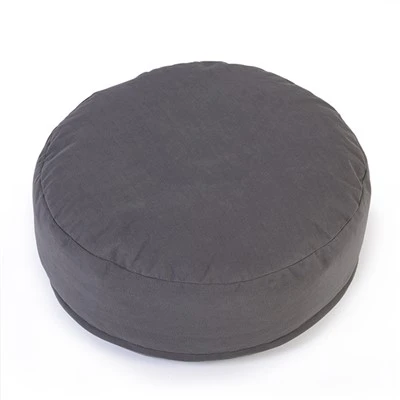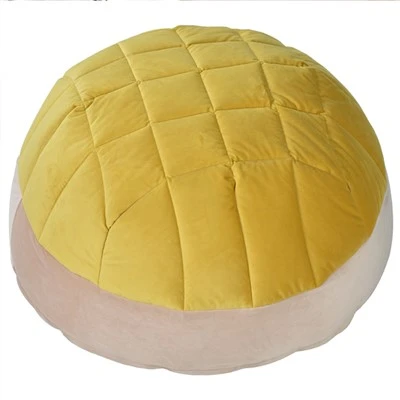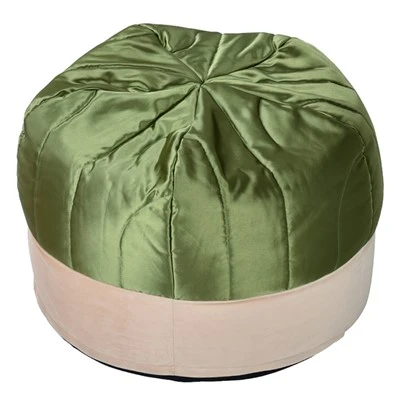


For furniture retailers, home décor brands, e-commerce sellers, and contract buyers furnishing playrooms, classrooms, and daycare centers, sourcing a bean bag for kids is rarely as simple as picking a nice color. Behind every successful kids bean bag chair program is a manufacturer that understands fabric safety, filling consistency, seam durability, and the realities of bulk production. This guide breaks down what B2B buyers should know before committing to a supplier for wholesale kids bean bag chairs and kids bean bag sofas, so you can protect your margins, your brand reputation, and your customers.
1. Why Retailers & Distributors Are Turning to Wholesale Kids Bean Bag Chairs
Demand for a bean bag for kids has grown steadily across furniture retail, big-box home goods, hospitality, and institutional channels such as schools and pediatric clinics. Unlike a single retail purchase, a wholesale buyer is thinking about hundreds or thousands of units moving through a supply chain, which means the calculus is different from a consumer simply comparing prices on a marketplace. Retailers want a kids bean bag chair that photographs well for e-commerce listings, ships flat or compressed to control freight costs, and holds up to real-world use by children who climb, jump, and spill drinks on furniture daily.
For distributors building out a home furnishing catalog, a kids bean bag sofa is also an easy upsell alongside kids' bedroom and playroom lines. It has a lower price point than a full sofa, a shorter lead time to manufacture, and strong repeat-purchase potential as children outgrow smaller sizes and parents come back for larger ones. This is exactly why so many B2B buyers are searching for a dependable kids bean bag manufacturer rather than trying to private-label an existing consumer product with no room for customization.
The other driver is differentiation. Marketplaces are saturated with generic bean bag for kids listings, so retailers who want to stand out need a manufacturing partner capable of exclusive fabric patterns, branded packaging, and consistent quality control across production runs - something only a dedicated factory relationship can reliably deliver at scale.
There is also a category-expansion angle that many B2B buyers underestimate. A kids bean bag chair rarely sells in isolation; it tends to move alongside toy storage, rugs, and other soft playroom furnishings, which means a buyer who partners with the right manufacturer can turn a single kids bean bag sofa listing into an entire cross-sell ecosystem. Buyers sourcing for daycare centers, pediatric waiting rooms, and children's libraries add another layer of demand, since these institutional accounts often place recurring orders as furniture wears out or facilities expand, making a stable wholesale kids bean bag chair supply chain a genuinely durable revenue stream rather than a seasonal trend.
2. Key Features to Look for in a Kids Bean Bag Sofa Supplier
Not every factory that lists a kids bean bag chair on a sourcing platform has the process controls a serious B2B buyer needs. The first thing to evaluate is fabric: children's furniture suppliers should offer machine-washable, stain-resistant covers in materials like short-plush velvet, cotton-linen blends, or technical fabrics rated for high-abrasion use. Ask for fabric test reports covering pilling resistance, colorfastness, and flame retardancy, since many retail channels - especially schools and hospitality accounts - require compliance documentation before they will place an order.
Second, look closely at the filling. A kids bean bag chair filled with low-density, inconsistent EPS beads will flatten within months, generating returns and damaging your brand's reputation with retail partners. A manufacturer that controls its own filling supply, or works with certified bead suppliers, can guarantee a consistent loft and weight across every kids bean bag sofa in a shipment - critical when you are fulfilling large purchase orders that all need to match the product photos.
Third, seam and zipper construction matters more for children's products than almost any other furniture category. Double-stitched or flat-felled seams, concealed and lockable zippers, and reinforced handles for a kids bean bag chair all reduce liability exposure and product returns. A manufacturer who can speak fluently about these construction details - rather than simply quoting a price per unit - is signaling that they understand wholesale kids bean bag chair production, not just one-off retail sales.
Finally, ask about size and shape ranges. Buyers furnishing different retail tiers often need a compact kids bean bag chair for toddlers alongside a larger kids bean bag sofa for older children, and a manufacturer with an established size matrix can help you build a tiered product line without starting development from scratch for every SKU.
It is also worth asking a prospective supplier how they handle color and print matching across production batches. Because a kids bean bag chair line often sells across multiple colorways in the same listing photo set, dye-lot inconsistency between one production run and the next can make a retailer's catalog images look inaccurate on arrival, driving avoidable customer complaints. A supplier with in-house dyeing quality control or long-standing mill relationships will generally hold color consistency far better than one outsourcing fabric sourcing to whichever vendor is cheapest that month.
Buyers should also ask how a supplier tests a finished kids bean bag chair for real-world durability rather than relying purely on visual inspection at the factory gate. Reputable suppliers run repeated compression and drop testing on sample units, and some maintain in-house child-safety review checklists covering everything from small-parts exposure to edge and corner softness. A kids bean bag sofa supplier who can walk you through this kind of internal testing protocol, rather than simply pointing to a finished sample, is demonstrating the operational maturity that wholesale buyers should expect from a long-term manufacturing partner.
3. MOQ, Customization & OEM/ODM Options for Bulk Kids Bean Bag Orders
Minimum order quantity is usually the first question a B2B buyer asks, but it is worth digging deeper than a single number. Many kids bean bag manufacturers quote a low MOQ for standard colorways already in production, but a much higher MOQ once you request a custom fabric, a proprietary print, or a private label tag sewn into the seam. Before committing to a supplier, ask them to break out MOQ by scenario: stock fabric and packaging, custom fabric with stock construction, and full custom development including new molds, dielines, and packaging design.
OEM production - where the factory manufactures to your exact specification and branding - is the standard model for retailers who already have a design in mind for their kids bean bag chair line. ODM, where the manufacturer proposes designs from an existing catalog that you can then brand as your own, is often faster and more cost-effective for buyers entering the kids bean bag sofa category for the first time and wanting to test market response before investing in fully custom tooling.
Customization for a bean bag for kids typically spans fabric selection, embroidery or printed branding, packaging design for retail shelf or e-commerce unboxing, and even filling ratio adjustments for different climates or use cases. A manufacturer with an in-house design and sampling team can typically turn around a customized kids bean bag chair sample within two to three weeks, which matters if you are trying to hit a retail buying season or a seasonal marketing push.
It's also worth asking how a supplier handles compliance testing for custom orders, since a new fabric or filling combination may need to be re-tested for flammability and chemical safety standards relevant to your target market, whether that's the US, EU, or another region with its own children's product regulations.
Buyers should also clarify how tooling and development costs are structured for a fully custom kids bean bag chair shape or a new size added to an existing kids bean bag sofa line. Many manufacturers will waive or discount development fees once a buyer commits to a recurring order schedule, so it's reasonable to negotiate these costs against a longer-term purchase agreement rather than accepting the first quote as final. Getting this in writing during the sampling stage avoids disputes later, once a custom bean bag for kids design is already in production.
4. How to Vet a Bean Bag for Kids Manufacturer Before Placing a Bulk Order
Before signing a purchase order, request references from other B2B clients who have ordered a kids bean bag chair or kids bean bag sofa in similar volumes to your own. A manufacturer confident in its production consistency will have no issue connecting you with existing retail or distribution partners, or at minimum sharing case studies and third-party lab reports.
Ask for a pre-production sample and a pre-shipment inspection report, ideally from an independent third-party inspector rather than the factory's own quality team. This is standard practice in furniture sourcing and gives you documented proof of fabric, filling weight, and construction quality before a full container of kids bean bag chairs leaves the factory.
It's also worth understanding a manufacturer's production capacity and lead times honestly. A supplier that overpromises delivery windows for a large bean bag for kids order is a common source of retail stockouts during peak seasons like back-to-school or the holiday quarter. A transparent manufacturer will give you a realistic production calendar and flag capacity constraints early, rather than after your purchase order has already been placed.
Finally, evaluate the manufacturer as a long-term partner, not a single transaction. The kids bean bag chair and kids bean bag sofa category rewards brands that can iterate - new fabrics each season, new sizes as market feedback comes in, and packaging refreshes to keep listings competitive. Choosing a manufacturer with the design, engineering, and communication infrastructure to support that ongoing relationship is ultimately more valuable to a growing furniture or home décor business than shaving a few cents off a per-unit quote.
Payment terms and dispute resolution processes are worth clarifying up front as well. Reputable kids bean bag chair manufacturers will typically work on a deposit-and-balance structure tied to production milestones, and will have a clear, pre-agreed process for handling any quality discrepancies discovered during pre-shipment inspection. Buyers who negotiate these terms before the first purchase order - rather than after a problem arises - tend to have far smoother wholesale kids bean bag sofa partnerships over time.
It's also reasonable to ask a prospective kids bean bag chair manufacturer how they would handle a hypothetical worst-case scenario, such as a full container failing a pre-shipment inspection close to a shipping deadline. Their answer reveals a great deal about how the relationship will function under pressure - a manufacturer with contingency plans for expedited rework or partial reshipment is a very different partner from one who has no answer beyond 'that hasn't happened to us,' which is rarely a reassuring response from a factory producing at real wholesale scale.
Conclusion
Sourcing a bean bag for kids at wholesale volume is as much about choosing the right manufacturing partner as it is about the product itself. Buyers who prioritize fabric safety, filling consistency, construction quality, and transparent OEM/ODM processes are far better positioned to build a kids bean bag chair or kids bean bag sofa line that performs well in retail and holds up under real-world use - and a manufacturer that can speak to all of this in detail is one worth building a long-term B2B relationship with.